

Connected. Tracked. Controlled.
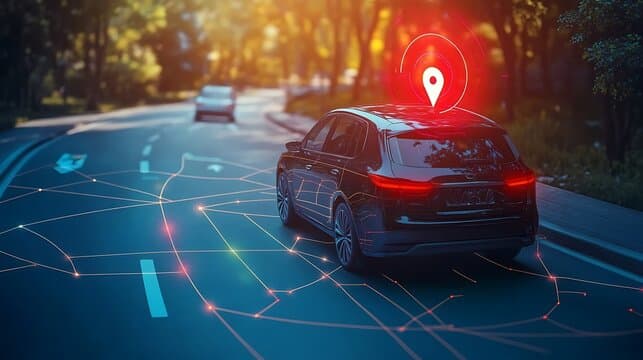
Tracking using IoT by use of connected devices and sensors to monitor the location, movement, and condition of people, vehicles, goods, or equipment in real-time. It plays a crucial role in industries like logistics, healthcare, transportation, agriculture, and smart cities
How IoT Tracking Works
- 1. IoT Devices/Sensors
- • Equipped with GPS, RFID, Bluetooth, or Wi-Fi
- • Installed on assets (vehicles, goods, pets, etc.)
- 2. Connectivity
- • Devices send data through networks (e.g., cellular, LoRaWAN, NB-IoT)
- • Cloud Platform
Applications of IoT Tracking
- 1. Vehicle Tracking
- • Real-time GPS data on fleet movement
- • Optimizes routes, improves fuel efficiency
- 2. Asset Tracking
- • Monitors high-value assets in warehouses
- • Prevents theft and loss
- 3. Supply Chain & Logistics
- • Monitors location and condition (e.g., temperature, humidity) of goods.
- • Enables efficient logistics and ensures quality (e.g., for vaccines, food).
- 4. Personnel Tracking
- • Tracks workers in hazardous zones or large facilities.
- • Enhances safety and workforce management.
- 5. Pet & Wildlife Tracking
- • Wearable IoT tags help track pets or wildlife for safety or research
- 6. Smart City Applications
- • Tracks public transport, garbage trucks, shared bikes, or scooters.
Benefits
- 1. Vehicle Tracking
- 2. Asset Tracking
- 3. Supply Chain & Logistics
- 4. Personnel Tracking
- 5. Pet & Wildlife Tracking
- 6. Smart City Applications
“IoT tracking provides real-time visibility and control across various domains, transforming how we manage and monitor assets.”
© Copyright 2024. All Rights Reserved by Bagus Harapan Tritunggal